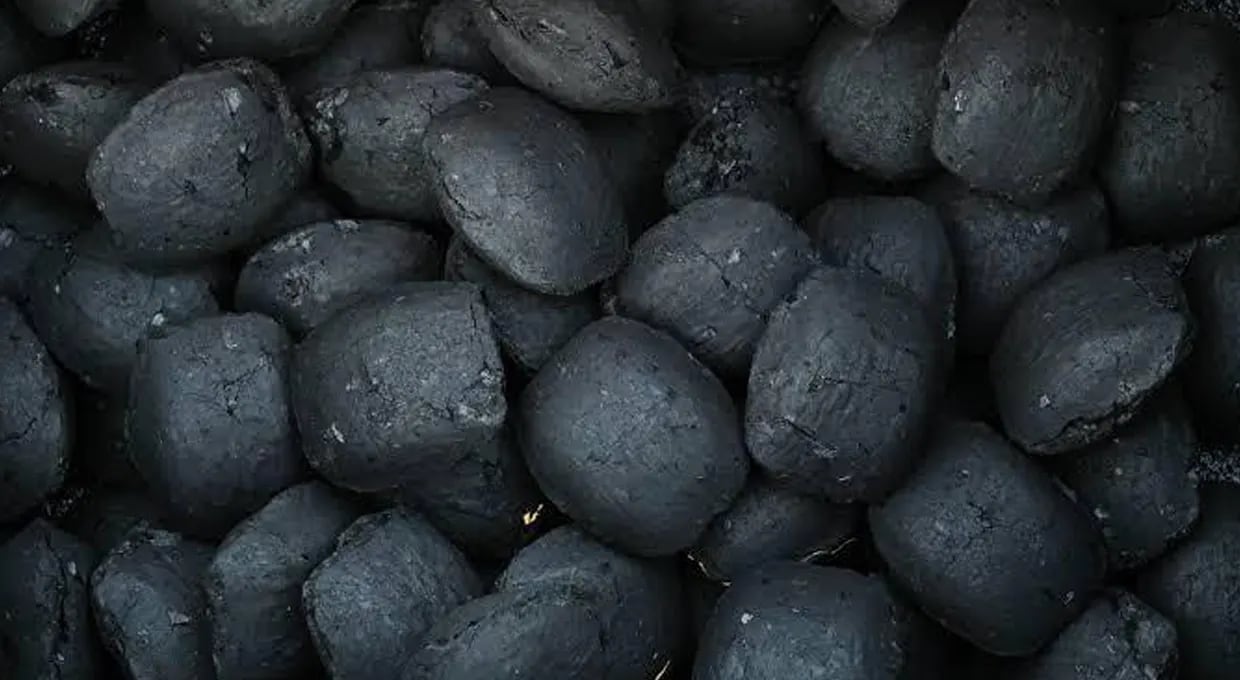
Side-by-side demonstrations can be useful, but only when the products, fuel mass, appliance, ignition, airflow and endpoints are controlled. Document the method before seeing the result.
1. Record sample identity
Assign a sample code and record product name, raw material, supplier, batch or date if available, pack condition and receipt date. Photograph the unopened pack and representative briquettes.
2. Inspect physical condition
Check pack integrity, net weight using an appropriate procedure, visible fines, breakage, briquette shape, dimensions and unit-weight distribution. Select units across the sample rather than only the best pieces.
3. Control storage and conditioning
Store samples dry under the same conditions. If analytical or performance results can be affected by moisture, define when the pack is opened and how long the material is exposed before testing.
4. Define the appliance and fuel load
Use the same appliance, grate position, fuel mass, arrangement and airflow for each product. Record ambient conditions where they materially affect the method.
5. Standardize ignition
Use the same approved ignition method and timing. Record the point at which measurement begins. Avoid adding unrecorded accelerants or changing airflow between samples.
6. Measure agreed outcomes
Depending on the commercial question, record ignition progression, temperature at defined points, useful operating period under a stated endpoint, mass change, ash under a specified method, visible breakage and handling observations. Do not translate one test into universal smoke or flavour claims.
7. Separate laboratory and application tests
Laboratory analytical values answer different questions from an appliance trial. Keep the report, method and basis attached to the correct sample. EN 1860-2 documents should be read according to what they actually test and conclude.
8. Decide acceptance before testing
Predefine pass/fail limits or comparative decision rules. If criteria are invented after seeing results, the evaluation becomes harder to defend.
Minimum test record
- Sample and batch identity
- Pack and physical inspection
- Storage and conditioning
- Fuel mass, appliance and airflow
- Ignition method and measurement points
- Results, anomalies and acceptance decision
Product evaluation
Ask about a representative sample.
State the product, intended application, destination and evaluation criteria.